WBGO takes action to sustain public radio – The Short Stack
"The broadcast medium has a legacy of adaptability.”
- Steve Williams, President and CEO, WBGO
When we interviewed WBGO’s Steve Williams back at the beginning of the year (along with leaders from KCRW and KUT), the conversation focused on station collaboration as one way to help take some of the static out of public media’s growth trajectory. Challenges are, we all know, commonplace for public stations, not the least of which are concerns about funding.
Fast forward to last summer and that concern became an existential alarm bell, when the Corporation for Public Broadcasting (CPB) was forced to cease operations due to the loss of government funding. While many people stepped up to help preserve this most uniquely necessary segment of media, including those creating emergency fund drives, more clearly needed to be done. Extraordinary times required new thinking. To Steve, this included embracing new, non-traditional revenue sources.
As familiar as we all are with public media’s incredible programming, full of stories, information, and perspectives you can’t find anywhere else, we’re equally familiar with the tenor of its sponsor messages – informational and typically without any “flash.” Commercial spots of course play differently, and the prospect of running them across public media was, for most people, never even within earshot.
So when commercial ads presented an opportunity to help public stations fill in some lost revenue, many expressed concern about the impact to listeners and the space overall. In the name of preserving public radio, Steve/WBGO understood they needed to take the risk. They started integrating programmatic ads from SoundStack Marketplace into the BGO stream several months ago.
When we circled back with Steve to see how the experiment was going, the news was overwhelming. But I don't want to play all of the greatest hits here! Have a read of our case study about how it turned out – including many words of wisdom from Steve himself, as well as what some listeners had to say to him directly about the new kinds of ads they’re hearing across their beloved programming.
A partner success story that represents more than business growth alone, this seemed like a fitting focus for the final Short Stack of the year. When all of our work can also play a role in helping to sustain such an essential part of media, we know we’re in the right business.
So here’s to a new year full of new thinking – especially from the risk takers working to ensure that the radio shows and podcasts we all count on continue to make all of our lives better well into the future.
Best,
 Scott Klass , CMO
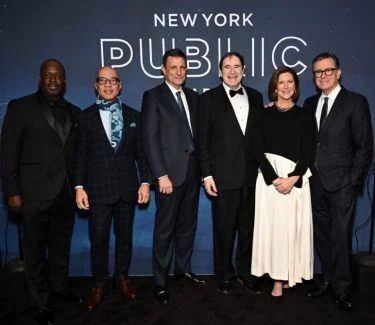
With this year’s “Stand with Public Media” theme, NYPR’s gala paid tribute to “voices on the front lines of the First Amendment,” according to its news release, following Congress’ rescinding of $1.1 billion in federal funding to the Corporation for Public Broadcasting, impacting hundreds of public radio and TV stations.

It started from a study released by the company last month that indicated that 82 percent of consumers worry about AI’s societal impact, and 9 in 10 believe it’s important to know the media they consume is created by a real person.


Economic factors are driving publishers to find new revenue streams. As mentioned above, sectors like public media in particular need better tools to control the audio ads being dynamically inserted into their streaming and podcasting content, especially when it comes to programmatic. With that, we're getting ready to launch a new ad quality tool (name TBD) early in '26 to give publishers that control.
The tool runs on SoundStack’s own AI to identify an ad’s true attributes like language, category, and even brands. Publishers can create rule sets to block ads based on unfavorable attributes, even including words or phrases. And you can set it and forget it; once a publisher creates their rulesets, those rules are automatically applied to all ad content -- before the ads are inserted into the content.
Look for more from us on this shortly!